
Resources — A Holistic Approach to Mental Wellbeing
Good mental health rarely comes from one intervention alone. Alongside conventional psychiatric care, the practices below are widely supported as part of a comprehensive, lifestyle-based approach to mood, anxiety, and overall wellbeing.
Breath-Based Practices
The way we breathe is closely tied to the nervous system's stress response. Slow, diaphragmatic breathing and structured breathing exercises — including simple techniques like extended exhalation, box breathing, and alternate-nostril breathing — have been studied for their effects on lowering heart rate, reducing physiological arousal, and easing symptoms of anxiety. Many people find that just a few minutes of conscious breathing daily creates a noticeable sense of calm and improved focus.
Yoga and Movement
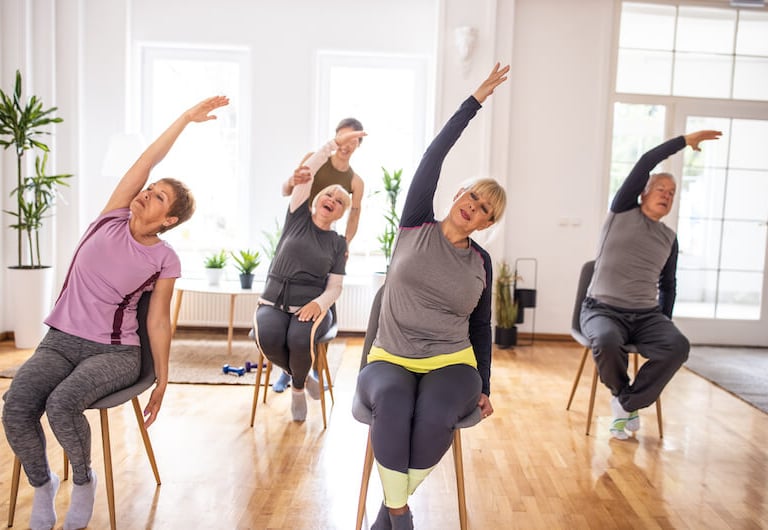
Yoga combines gentle movement, breath awareness, and body awareness in a way that research increasingly links to reduced symptoms of depression and anxiety, improved sleep, and better stress resilience — particularly for older adults, where it also supports balance, flexibility, and strength. It doesn't need to be intensive: consistent, gentle practice tends to matter more than difficulty level.
Meditation and Mindfulness
Regular meditation — whether a simple breath-focused practice, a body-scan, or a guided mindfulness exercise — has a substantial evidence base for reducing rumination, improving emotional regulation, and supporting recovery from stress, anxiety, and low mood. Mindfulness-based approaches are now widely integrated into mainstream psychological treatment because they help people relate differently to difficult thoughts and feelings, rather than trying to eliminate them.
Sleep Habits
Sleep and mood are deeply interconnected — poor sleep worsens anxiety and depression, and mood difficulties often disrupt sleep in turn. Some well-supported habits:
Keep a consistent wake time, even on weekends.
Get natural light exposure earlier in the day.
Limit screens and stimulating activity in the hour before bed.
Reserve the bed for sleep, not for lying awake scrolling or working.
Avoid caffeine after early afternoon and heavy meals close to bedtime.
If you can't sleep after 20 minutes, get up and do something calm in low light rather than lying there frustrated.
Diet and Nutrition
Emerging nutritional psychiatry research links diet quality to mental health outcomes, with diets rich in vegetables, fruits, legumes, whole grains, nuts, and healthy fats associated with lower rates of depression and anxiety, compared with diets high in processed and refined foods.
A plant-forward or vegetarian pattern is one practical way to build this kind of diet. A few simple examples:
Breakfast: Oatmeal with fruit, nuts, and a drizzle of honey; or a vegetable and lentil-based dish with whole-grain toast.
Lunch: A grain bowl with chickpeas, seasonal vegetables, and a light dressing; or a hearty vegetable and bean soup.
Dinner: Stir-fried vegetables and tofu or paneer with brown rice; or a dal (lentil stew) with steamed greens and whole-grain roti.
Snacks: Fresh fruit, a handful of nuts, or yogurt with seeds.
You don't need to eliminate meat entirely to benefit — even shifting a few meals a week toward more plant-based, whole-food options is a reasonable, evidence-aligned starting point.
Daily Rhythm and Traditional Wisdom
Long before modern sleep and nutrition science, traditional systems of wellbeing — including Ayurveda — emphasized aligning daily habits with natural rhythms: waking and eating at consistent times, favoring fresh, seasonal food over heavily processed options, and building in quiet, unhurried moments during the day rather than only at the end of it. Many of these ideas overlap comfortably with what contemporary research now supports, and can be a useful lens for thinking about routine as a whole, rather than isolated habits.
Bringing It Together
None of these practices — breathwork, movement, meditation, sleep hygiene, or diet — works in isolation, and none replaces necessary medical or psychiatric treatment. But together, as part of a consistent daily routine, they form a comprehensive, complementary approach that many people find meaningfully supports their mood, resilience, and overall quality of life.
This information is educational and general in nature. It is not a substitute for individualized medical or psychiatric care. Please discuss any significant lifestyle changes with your treating clinician.


Offering Specialized Weekly Classes for Seniors and Adults
Stay Active, Healthy & Connected!
Looking for a fun and welcoming way to improve your health and meet new people? Join our weekly movement and wellness classes designed for adults 45+.
Class Locations & Times
Wednesdays – 3:30 PM
St. Jude's Church
(Fanshawe Park Rd. & Adelaide St., London)
Classes held in the large basement room
Ample parking available around the church
Please bring your own yoga mat
Thursdays – 3:30 PM
Riverstone Retirement Building
1951 Shore Rd., London
Street parking available, or use the parking lot at the Spektra Apartments on Riverbend Rd.
Please sign in using the attendance binder
Bring your own yoga mat
Why Join?
✔ Improve strength, balance, and mobility
✔ Enjoy movement and meditation
✔ Connect with others in a supportive community
✔ Have fun while investing in your health and well-being
We look forward to welcoming you!
Questions? Feel free to reach out for more information.
akshyavasudev@gmail.com and 519 694 3979
ABSENCE ALERT
Greetings,
During the month of November last year (2024), I had a fall and broke my hip. While in the hospital, recovering from the fall, I contracted COVID-19 and then was diagnosed with a heart issue. These events traumatized my body, soul, and mind.
More than a year ago, I joined Dr.Vasudev’s Wednesday yoga classes. We do exercises that make us more aware of our bodies, improve flexibility, and improve our balance. We learn and practice breathing techniques and have learned to go deeper into meditation.
In those dark days of November, doing the breathing exercises calmed my worst fears and focused my attention on managing pain. I found comfort, strength, and peace while doing meditation.
As it is necessary to exercise to aid in healing the injury, my increased flexibility and improved balance made it much easier to do the required exercises.
I am so grateful for Dr.Vasudev’s yoga classes, the lessons learned, and the community in them. They sustained me in November and continue to do so now as I continue to heal.
Elspeth Beck, 89


★★★★★
Contacts
akshyavasudev@gmail.com
FAX: +1 5199135414
DR. AKSHYA VASUDEV
Holistic Adult and Geriatric Mental Health Psychiatrist